


Language

Ud over en rimelig tvivl




Claiming he is God
Search Results
Søg på dette website
100 resultater fundet med en tom søgning
- Tribulation | Answers 4 Saints
Tribulation Three types of people 1. Those who take up the sword will die by the sword Matthew 26, 26:52. 2. Don’t be afraid of what you are about to suffer. The devil will throw some of you into prison to test you. You will suffer for ten days. But if you remain faithful even when facing death, I will give you the crown of life.. 3. Behold, I will take the children of Israel from among the heathen, whither they be gone, and will gather them on every side, and bring them into their own land: Ezekiel 37:16-28
- The Rose and God's Commandments | Answers 4 Saints
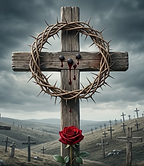
See what the rose, thorns and nails picture about keeping God's commandments, with Psalm 19 and John 8:47. Gods gift to huminity the 10 commandments THE ROSE The Rose represents the blessings and rewards reserved for those who keep Yehovah’s commandments and refuse to live in deliberate sin. Its deep red color points to the life and precious blood of Yeshua , shed for our sins and disobedience, bringing with it the crown of life. The Thorns symbolize weeping, gnashing of teeth, and those left without hope. Because of our transgressions, Yeshua endured severe torture. The Nails represent the condemnation facing those who refuse to repent or keep the commandments —a judgment that ends in the second death. As Job 36:12 warns: “If they do not listen, they will perish by the sword and die without knowledge.” The decrees of Yehovah are completely trustworthy, imparting wisdom to the simple. The commandments of Yehovah are right, bringing pure joy to the heart. The directives of Yehovah are clear, illuminating how we ought to live. Reverence for Yehovah is pure, enduring forever. The laws of Yehovah are perfect truth ; every single one is fair and just. They are far more desirable than gold —even the finest, purest gold. They are sweeter than honey, even honey dripping directly from the comb. By them Your servant is warned, and in keeping them there is great reward . (Psalm 19:7–11) The one who belongs listens and responds to Yehovah's words. If you don't listen and respond , it is because you don't belong to Yehovah." John 8:47
- Truth Seekers, Start Your Journey Here | Answers 4 Saints
Answers 4 Saints welcomes truth seekers: test everything to Scripture and return to the Father's ancient paths of the Torah. Welcome, Fellow Truth Seekers: Start Here Remember : Always test everything against Scripture. If you found your way to this page, your spirit has already recognized the shift. Decades of comfortable religion can no longer quiet the conviction that it is time to return to the Father's unfiltered truth.—in church pews loving God wholeheartedly, you may sense an undeniable disconnect between the unfiltered Word of God and the traditions taught from the pulpit. You are not alone. Across the earth, the Father is calling His people back to His ancient paths. Your presence here is no accident. First Steps on Your Journey Returning to the ancient paths is not about adopting a new religion—it is about unlearning human tradition and walking in the footsteps of Yeshua. Here is where to begin: Test Everything Against Scripture (Acts 17:11) Lay aside denominational filters, commentaries, and lifelong assumptions. Become a Berean: read the text directly and let Scripture interpret Scripture. Rediscover the Father's Instructions (1 John 5:3) Read the Torah (Genesis through Deuteronomy) with fresh eyes. See the commandments not as an obsolete burden, but as the Father's eternal framework for righteousness, blessing, and life. Walk as Yeshua Walked (1 John 2:6) Yeshua did not abolish the Law; He lived it perfectly. Following Him means embracing His lifestyle—honoring the seventh-day Sabbath, keeping the biblical feasts, and walking in genuine, loving obedience. Expect Resistance—and Give Grace (Matthew 5:10–12) Stepping out of mainstream traditions will provoke confusion or pushback from well-meaning family and friends. Stand firm on the Word, but speak the truth with patience, humility, and love. "Stand by the roads, and look, and ask for the ancient paths, where the good way is; and walk in it, and find rest for your souls." — Jeremiah 6:16 Foundational Truths The Father & The Messiah: We worship Yehovah, the God of Abraham, Isaac, and Jacob. We worship Yeshua the Messiah, who reveals and honors the name of His Father, Yehovah. Walking in Obedience : Yehovah commands us to follow Yeshua in true obedience and walk as He walked (1 John 2:6). To reject His voice and turn away from obedience is to stand under divine wrath (John 3:36; Hebrews 5:9). The Danger of Refusal: "If one turns away his ear from hearing the law, even his prayer is an abomination." — Proverbs 28:9 What the Scriptures Affirm Matthew 7:21–23: Calling Him "Lord, Lord" is not enough. Only those doing the will of the Father enter the Kingdom. Those practicing anomia (lawlessness / life without Torah) will be told, "Depart from Me." Luke 16:17: Heaven and earth will pass away before the smallest stroke of a letter of the Torah fails. Deuteronomy 12:32: "Everything that I command you, you shall be careful to do. You shall not add to it nor take from it."22 The Mechanics of Conditioning: Are Churchgoers Blinded by Tradition? Many believers are conditioned by institutional traditions that substitute human doctrine for the commandments of God. Replacing Torah with Dogma : Tradition often trains people to dismiss the Law as obsolete, directly opposing Yeshua’s command to live by e22 very word that proceeds from the mouth of God (Matthew 4:4). The Warning Against Man-Made Rules: Yeshua exposed this same conditioning in Mark 7:7–9: "In vain do they worship Me, teaching as doctrines the commandments of men. You leave the commandment of God and hold to the tradition of men." True Freedom: Awakening from conditioning means returning to the pure, unedited Word—neither adding human fences nor removing the Father's eternal commandments. Why Loved Ones React Defensively to the Torah When loved ones are confronted with the enduring validity of the Torah, their reaction is rarely an objective theological critique. Instead, it often produces sharp emotional resistance, anger, or dismissal. Introducing the Torah does not merely raise a new topic—it shatters deep-seated assumptions about their identity, salvation, and community, triggering acute cognitive dissonance (Leon Festinger, 1957). Because the mind instinctively protects established internal consistency, it deploys defense mechanisms to neutralize the tension. 1. The Theological Crisis: Threat to Assurance The Conflict: Traditional teaching often frames the Torah as an obsolete "burden" or "curse" done away with at the cross. The Dissonance: Realizing that the Father's commandments remain eternal and binding implies that teachings they trusted all their lives were incomplete or flawed. The Defense: Rather than re-examining lifelong beliefs, the mind defends its certainty by labeling Torah observance as "legalism" or "falling from grace." 2. The Sociological Cost: Fear of Exile The Conflict: Faith is not practiced in isolation; it anchors relationships with family, friends, and congregational networks. The Dissonance: Embracing the Torah creates social friction—abstaining from unbiblical traditions, observing the Sabbath, or eating cleanly separates a person from the group. The Defense: To protect belonging and avoid isolation, individuals aggressively defend institutional traditions and push away anything that threatens social cohesion. 3. Generational Loyalty and Grief The Conflict: Acknowledging the Torah forces loved ones to confront the uncomfortable reality that deceased parents, mentors, and cherished pastors walked in theological error. The Dissonance: Accepting this feels like an act of betrayal against the spiritual legacy of people they revere. The Defense: Anger and denial serve as emotional shields against the grief of admitting that sincere, beloved role models were mistaken. Approaching with Compassion Recognizing these psychological and social barriers reframes their resistance: their anger is rooted in fear, not hatred of truth. Defensive reactions occur because their world is being shaken at its foundation. Breaking through this wall requires patience, gentle consistency, and living out the beauty of the commandments with grace—demonstrating that the Torah is not a legalistic burden, but the Father’s loving instructions for life. Common Everyday Conflicts Belief vs. Hypocrisy : Preaching moral standards while privately violating them (e.g., demanding honesty while cheating on taxes). Health vs. Habit: Knowing smoking causes severe harm, yet indulging daily. Ethics vs. Convenience: Valuing local small businesses, but buying from discount mega-retailers to save money. Belief vs. Reality: Clinging to confidence in an investment or worldview despite contrary evidence. Change the behavior : Align actions with values—such as quitting smoking or correcting hypocritical habits. Rationalize and make exceptions: Invent excuses to minimize the gap (e.g., "I eat clean all week, so smoking on weekends doesn't count"). Change the belief: Adjust standards to fit the behavior (e.g., "Life is short, so obsessing over health isn't worth it"). Compartmentalize: Separate contradictory roles into mental silos—acting righteous in public while cutting corners in private. Denial and confirmation bias: Dismiss or reject conflicting facts as flawed, biased, or irrelevant. The 5 Primary Drivers of Dissonance and Defense 1. Identity Threat and Generational Loyalty The Conflict: Faith is tied to childhood memories, family traditions, and revered ancestors. The Dissonance: Accepting that the Torah remains in effect feels like declaring beloved parents, pastors, and mentors were fundamentally wrong. The Defense: Rejecting the messenger to protect family legacy and emotional ties. 2. Theological Fea r: "Grace vs. Law" Conditioning The Conflict: Deeply ingrained teaching that the Law was "nailed to the cross" and opposes grace. The Dissonance: Encountering scriptures linking obedience with love triggers alarms that honoring commandments denies the Messiah’s finished work. The Defense: Labeling Torah observance as "legalism," "falling from grace," or a "cult" to ward off perceived heresy. 3. Institutional Authority vs. Scriptural Reality The Conflict: High trust placed in pastors, scholars, and denominations. The Dissonance: Directly facing scriptures that contradict church doctrine forces the dilemma: "How could generations of leaders and scholars have missed this?" The Defense: Appealing to institutional consensus ("Thousands of scholars can't be wrong") rather than questioning established leadership. 4. Threat of Social Disruption and Isolation The Conflict: Church communities and family bonds revolve around shared holidays, meals, and weekly routines. The Dissonance: Recognizing that Sabbath, feast days, and dietary boundaries disrupt traditional family gatherings and church fellowship. The Defense: Reacting with frustration or anger to mask the fear of relational division and social inconvenience. 5. Conviction and Behavioral Friction The Conflict: Viewing biblical instructions as "optional" allows broad lifestyle freedom, whereas the Torah demands tangible obedience. The Dissonance: Facing objective standards forces a choice between making costly personal changes or finding a reason to reject the command. The Defense: Minimizing the commands ("God only looks at the heart" or "that was only for the Jews") to bypass personal repentance. Verification and Communication Checklist When engaging loved ones navigating this friction, use the following protocol to minimize reactive defensiveness and maintain relational peace: [ ] Shift from Debate to Demonstration: Cease initiating unsolicited debates, corrections, or doctrinal critiques. Let fruit, peace, self-control, and loving service be the primary evidence of your walk (James 3:13). [ ] Distinguish Salvation from Sanctification: Clarify immediately that obedience to the Father's instructions is not an attempt to "earn" salvation or justification, but the natural response of love and obedience after being redeemed (John 14:15). [ ] Validate Their Sincerity: Acknowledge their genuine love for God and the valid spiritual foundation they walk in. Removing personal condescension lowers their threat response. [ ] Answer Only When Inquired: Restrict theological explanations strictly to questions they proactively ask. When an unprompted defensive argument starts, employ gentle disengagement (Proverbs 15:1). [ ] Focus on Primary Sources: When discussions do occur, reference direct text without secondary commentary or external teacher labels, encouraging them to test all things directly against Scripture (Acts 17:11). Your Roadmap to Biblical Truth Step 1: Take the Self-Diagnostic The Lawlessness (Anomia) Test: A private, 10-question interactive assessment measuring your beliefs and daily lifestyle against the objective standard of God's written Law. Step 2: Explore the Deep-Dive Studies The Mirroring Principle of Idolatry: Why what you revere shapes who you become, and how man-made tradition blinds spiritual perception. The Alignment of the Mirror: How physical commandments—such as Sabbath (Shabbat), dietary boundaries (Kashrut), and tassels (Tzitzit)—keep your focus locked on the Creator. The Pauline Filter: Dismantling the selective theological lens used to twist Paul’s letters into an excuse to bypass God's commandments. The Mechanics of Conditioning: A compassionate psychological look at why believers experience intense cognitive dissonance and defensive reactions when confronted with the Torah. When loved ones react defensively to the Torah, it is rarely just theological—it is an emotional shield against cognitive dissonance. Accepting that God's commandments remain in effect threatens five core pillars: Family Heritage : It feels like admitting revered parents, grandparents, and mentors lived under flawed doctrine. Fear of "Losing Grace": Conditioning triggers panic that keeping commandments is dangerous "legalism" that risks salvation. Institutional Trust: It forces an agonizing question: How could our pastor and denomination have missed this for generations? Social & Family Fracture: Observing the Sabbath, feasts, and dietary laws directly disrupts shared meals, holidays, and routines. Conviction vs. Convenience: True obedience demands costly lifestyle changes; attacking the message is easier than personal repentance. Practical Approach Live It, Don't Preach It: Let peace, humility, and good character speak louder than theological arguments (James 3:13). Clarify Salvation vs. Obedience: Emphasize that obedience does not earn salvation—it is the loving result of redemption (1 John 5:3). Speak Only When Asked: Share scripture when there is genuine openness, avoiding heated debates (Proverbs 15:1). Expose the Spirit of Lawlessness (Anomia): Understand that dismissing God's Law is a spiritual conflict mirroring the adversary’s original rebellion. Step 3: Find a Soft Landing & Restoration Read "A Loving Warning to a Churchgoer" : A pastoral letter to help you navigate this transition or share with loved ones without provoking defensiveness. Path of Restoration: Walking in the Father's commandments brings freedom and renewal, not bondage. Let the Word challenge inherited traditions and restore your spiritual sight. A Loving Warning to a Churchgoer The adversary’s primary aim is rarely outright atheism; it is subtle lawlessness (anomia)—convincing believers that God's instructions no longer apply (1 John 3:4). A prime example is the Fourth Commandment (Exodus 20:10). The text explicitly designates the seventh day (Saturday) as the Sabbath forever. Yet traditional conditioning trains believers to see Sunday or declare the command abolished. Substituting human tradition for plain scripture is a spiritual sensory shutdown—revering church systems until we can no longer clearly see the Word or hear the Creator's voice. By measuring daily habits against scripture, you hold a mirror to your walk to confirm whether you are reflecting God's eternal truth or human tradition. Scriptures to Study The Sabbath as an Eternal Sign Exodus 31:16–17: Declares the Sabbath a perpetual covenant and sign forever. To ponder: If God established it as permanent, by whose authority was it altered or set aside? Human Tradition vs. God's Commandments Mark 7:7–9: Warns against vain worship that replaces God's commands with human traditions. To ponder: Are your days of worship and celebrations rooted in biblical instruction or church tradition? Prayer and the Law Proverbs 28:9: States that ignoring God's instruction alienates one's own prayers. To ponder: Can true spiritual communion exist while disregarding His written Word? The Definition of Love for God 1 John 5:3: Teaches that loving God means keeping His commandments without seeing them as a burden. To ponder: Why does modern theology treat obedience as bondage when scripture defines it as love? The 10-Question Lawlessness (Anomia) Diagnostic Based on Matthew 7:21–23, this self-assessment measures personal beliefs and church practices against the written commandments of God. Validity of the Law: Do you believe or teach that the Torah was abolished, "nailed to the cross," or ended for New Testament believers? [ ] YES [ ] NO Definition of Holiness: Do you believe that under grace, physical obedience to the Creator's commandments is optional? [ ] YES [ ] NO The Sabbath: Do you observe Sunday as the Sabbath, or believe the Seventh-day Sabbath (Saturday) was altered or abolished? [ ] YES [ ] NO Dietary Laws: Do you believe biblical dietary boundaries (Leviticus 11) no longer apply to believers today? [ ] YES [ ] NO Pagan Origins: Do you observe traditional holidays like Christmas or Easter, reasoning that "God knows my heart"? [ ] YES [ ] NO The Pauline Filter: Do you use isolated writings of Paul to justify setting aside the Father’s direct commandments? [ ] YES [ ] NO Labeling Obedience: Do you view or label believers who keep the Sabbath, eat clean, or wear tassels (tzitzit) as "legalistic" or "under bondage"? [ ] YES [ ] NO God’s Appointed Times: Do you dismiss the biblical feast days (Leviticus 23) as irrelevant or "only for the Jews"? [ ] YES [ ] NO Grace vs. Commandment: Do you believe that "loving God" replaces the specific physical instructions He gave on how to worship Him? [ ] YES [ ] NO Defensive Reaction: Does the suggestion to obey the Torah trigger immediate frustration, irritation, or emotional resistance? [ ] YES [ ] NO Diagnosing the Results: What Does Your Score Mean? Count how many times you answered "YES" to the statements above. If You Answered "YES" 1 to 3 Times: Developing Contamination You have started to absorb some of the traditional, lawless dogmas of mainstream theology. While you may still revere the Old Testament, you are allowing human traditions to slowly blind your spiritual eyes to the plain instructions of the Creator. If You Answered "YES" 4 or More Times: The Spirit of Lawlessness ($Anomia$) A score of 4 or more "YES" answers indicates that your personal theology is operating directly under the spirit of $anomia$ (lawlessness). Defending these positions uses church traditions to bypass God's written Word—the exact compromise Yeshua condemned (Matthew 7; Mark 7). The Scriptural Reality Check On the Law & Holiness (Q1 & Q2): Yeshua stated He did not come to abolish the Law, and those who keep and teach it will be called great (Matthew 5:17–19). On the Sabbath (Q3): God established the Sabbath as an everlasting, perpetual covenant (Exodus 31:16). On Dietary Boundaries (Q4): Isaiah warns that end-times judgment falls on those who disregard clean and unclean eating (Isaiah 66:17). On Pagan Customs (Q5): Scripture strictly forbids borrowing pagan traditions to worship the Lord (Deuteronomy 12:30–31). On Paul’s Letters & "Legalism" (Q6 & Q7): Peter warned that the unstable twist Paul’s writings, leading people into the error of the lawless (2 Peter 3:15–17). On the Feast Days (Q8): Paul commanded New Testament believers to observe the biblical feasts (1 Corinthians 5:7–8). On Grace & Defense (Q9 & Q10) : Scripture explicitly defines the love of God as keeping His commandments without resentment (1 John 5:3). Conclusion Do not let man-made traditions void the Word of God. Turn from the spirit of lawlessness (anomia), align your walk with the Creator's written instructions, and let His truth guide your obedience. Spiritual Blindness & The Mirroring of Idolatry Why do sincere, Bible-reading believers often struggle to see the ongoing validity of the Torah? Scripture shows this barrier is not merely intellectual—it is an active spiritual condition driven by the Mirroring Principle of Idolatry: we conform to whatever we revere . 1. The Powerless Idol: Complete Sensory Shutdown Psalms 115:5–6 and 135:16–17 describe idols as having eyes that cannot see, ears that cannot hear, and mouths that cannot speak. They carry the outer form of life, but have zero breath, function, or perception. 2. The Spiritual Mirror: Becoming What We Worship "They that make them are like unto them; so is every one that trusteth in them." — Psalm 115:8 When trust is anchored in human traditions, denominations, or theology that bypasses God's commandments, believers inherit the traits of those dead systems: eyes that cannot perceive plain scripture and ears deaf to God's voice. 3. The Modern Analogy: The Display Phone Like a plastic "dummy" display smartphone in a store, it has the shell, screen, and buttons, but no battery, processor, or internal life. A believer can hold all the external props of faith—Bibles, apps, church buildings—yet remain internally unresponsive to the actual commandments of God. 4. Prophetic Diagnosis: Eyes That Do Not See When Israel chose tradition over the Torah, the prophets diagnosed them with idol-mirroring language: Jeremiah 5:21: A foolish people with eyes that see not and ears that hear not. Ezekiel 12:2: A rebellious house blind and deaf to God's direction. Mark 8:18: Yeshua warning His own disciples against this same perceptual blindness. 5. The Root Cause: Hardened Hearts Through Unbelief In Hebrew thought, the heart is the seat of the mind and will. Repeatedly choosing tradition over plain scripture builds a spiritual callous: Unbelief: Rejecting plain instructions. Hardening: Conscience and understanding become desensitized. Shutdown: The mind loses the capacity to receive contradictory biblical truth. 6. The Modern Veil This dynamic explains why clear texts on the Sabbath (Shabbat), dietary boundaries (Kashrut), and biblical feasts (Moedim) are read yet ignored. Trusting in silent, man-made traditions drapes a veil over spiritual perception. Only repenting of human doctrine and submitting to the Creator's written Word restores spiritual sight and hearing. The Mirroring Principle of Idolatry: What You Revere, You Resemble We spiritually conform to whatever we worship. In the words of G.K. Beale, "What people revere, they resemble, either for ruin or for restoration." 1. The Design: Spiritual Mirrors Humanity was created in the image of God (Genesis 1:27) to act as a mirror reflecting His holiness, character, and instructions (Torah). Worship is the act of aiming that mirror. Whatever sits at the center of devotion determines what the soul reflects. 2. The Golden Calf: Stiff-Necked Replication When Israel worshiped the molten calf (Exodus 32), God immediately diagnosed them as "stiff-necked" (qasheh oreph)—agricultural terminology for an obstinate young bull that refuses the yoke. By revering a bull, they instantly took on its unyielding nature. 3. The Mechanics: Sensory Shutdown Psalms 115:5–8 and 135:15–18 explain how spiritual replication operates: Lifeless idols: Have mouths that cannot speak, eyes that cannot see, and ears that cannot hear. The spiritual consequence: "They that make them are like unto them; so is every one that trusteth in them." Trusting dead systems shuts down spiritual perception. 4. Prophetic Diagnosis: Eyes That Do Not See When Israel abandoned the Torah, prophets diagnosed them not as uneducated, but as idol-mirrors: Isaiah 6:9–10: Hearing without understanding; seeing without perception. Jeremiah 5:21 & Ezekiel 12:2: A rebellious house with blind eyes and deaf ears. 5. Tradition Over Commandment Yeshua applied this exact diagnosis to religious leaders elevating human doctrine over God's commands: Mark 7:6–13: Hypocrites worshiping in vain by teaching human traditions as doctrine, voiding the Word of God. Mark 8:18: "Having eyes, see ye not? and having ears, hear ye not?" Trusting denominations or theological systems that bypass the commandments triggers the same blindness—a person can read plain text (like the seventh-day Sabbath) yet remain blind to its instruction. 6. The Remedy: Restoration The principle cuts both ways: "Beholding as in a mirror the glory of the Lord, [we] are changed into the same image..." — 2 Corinthians 3:18 Repenting of human traditions and submitting to the Creator’s written Word restores spiritual sight and hearing, aligning our walk once again with His truth. The Alignment of the Mirror: How the Commandments Counteract Idolatry When looking at the 20 specific practices in the Torah Observance Self-Assessment, it is easy for a modern reader to ask: “What does eating pork, wearing tassels, or keeping a Saturday Sabbath have to do with the heavy, spiritual reality of idolatry?” To the modern Western mind, "idolatry" is a mental or emotional state (putting your career or money before God), while the "Torah commandments" are seen as external, ritualistic rules. However, in Hebrew thought, the two are dynamically and structurally connected. Every single commandment ($mitzvah$) in the Torah acts as a physical alignment tool for your spiritual "mirror." When you reject these physical instructions in favor of human traditions, you actively turn your mirror away from the Creator, pointing it toward man-made systems. This triggers the Mirroring Principle of Idolatry—leading to the spiritual sensory shutdown described in the Psalms. Here is how specific commandments are directly connected to the mirroring of idolatry. Physical Commandments as Divine Mirrors Obedience aligns the believer's life to reflect the Creator, while human substitutions turn the "mirror" toward man-made institutions and pagan syncretism. 1. The Sabbath (Shabbat): Creator's Rhythm vs. Human Authority The Mirror: Observing the seventh day physically aligns time and rest with the Creator's pattern in Exodus 20:11. The Substitution: Shifting worship to Sunday points the mirror toward church decrees, blinding believers to the plain Fourth Commandment. 2. Dietary Laws (Kashrut): Divine Holiness vs. Cultural Syncretism The Mirror: God defined holiness as set-apart distinction (Leviticus 11:44–45). Guarding what enters the body physically reflects that spiritual separation. The Substitution: Erasing dietary boundaries adopts the pagan practice of cultural mixture, dulling the conscience to divine distinctions. 3. Tassels (Tzitzit): The Visual Guardrail The Mirror : Wearing fringes (Numbers 15:39) serves as an intentional optical interruption, redirecting drifting eyes back to God’s commandments before worldly desires take hold. 4. Biblical Feasts (Moedim) vs. Man-Made Holidays The Mirror: The appointed times of Leviticus 23 reflect the prophetic timeline of the Messiah’s redemption. The Substitution: Adopting holidays with pagan roots (Christmas, Easter) violates Deuteronomy 12:30–32, trading prophetic reality for Christianized tradition. Diagnostic Signs of Modern "Mirror Idolatry" When a believer reflects human tradition rather than the living Word, specific spiritual symptoms emerge: The Translation Filter (Blind Eyes): Reading plain text (e.g., seventh-day rest or clean meats) but mentally rewriting it to align with denominational dogma. The Cliché Echo Chamber (Mute Mouths): Responding to scriptural challenges with institutional soundbites ("That's legalism," "We're under grace") rather than biblical context. The "God Knows My Heart" Defense (Deaf Ears) : Deflecting biblical commands by appealing to personal feelings or sincerity ("That's not what it means to me"), making the self the ultimate authority. The Collapse of Distinctions (Spiritual Numbness): Inability to distinguish the holy from the common—treating the Sabbath and Sunday, or Passover and Easter, as interchangeable. Hostility Toward Biblical Roots (Light Sensitivity): Reacting with irritation or accusations ("Judaizer," "cult") when confronted with Torah obedience, lashing out because truth threatens comfortable tradition. Summary Checklist: The Modern Idol-Mirror "Eyes that see not": Reading plain, literal commandments yet remaining unable to process or apply their direct meaning. "Ears that hear not": Dismissing explicit warnings against pagan syncretism by appealing to personal feelings ("God knows my heart"). "Mouths that speak not": Regurgitating theological slogans ("under grace," "legalism") rather than discussing scripture in context. "No breath / distinction ": Erasing divine boundaries between clean and unclean, holy and common. "Stiff-necked": Refusing to yield personal habits to the literal commandments (mitzvot) of the Creator. The "Pauline Filter" & Distorted Scripture Peter warned that the unstable twist Paul’s complex writings to their own destruction, falling into the error of the lawless (2 Peter 3:15–17). Modern tradition often creates an artificial barrier by using Paul to bypass God’s Law: Paul Over Yeshua: Elevating isolated statements from Paul above the plain words of the Messiah (e.g., pitting Romans 10:4 against Matthew 5:17–19). Grace vs. Law Dichotomy: Treating grace and obedience as opposites, failing to see that commandment-keeping is the fruit—not the replacement—of redemption (Ephesians 2:8–10). The Colossians 2 Misreading: Using Colossians 2:16 to abandon God's feasts, while ignoring verse 17, which affirms they are prophetic shadows pointing to the Messiah. Ignoring Paul’s Torah Defense: Overlooking clear proof that Paul personally kept the Law, took vows, and affirmed the Torah as holy, just, and good (Acts 21:24; 24:14; Romans 7:12). Clarifying Key Pauline Passages Romans 10:4 ("Christ is the end of the law..."): Telos means the goal, purpose, or target of the Law, not its termination. Romans 6:14 ("Not under the law..."): Believers are freed from the law’s condemnation and penalty, enabling willing obedience. Colossians 2:16 ("Let no man judge you..."): Outsiders and pagan ascetics should not judge believers for celebrating God's appointed biblical feasts (Moedim). Galatians 3:24 ("The law was our schoolmaster..."): The Torah served as a guardian and guide to train believers into mature obedience. The Transgression Test: 1 John 3:4 & 3:8 Scripture defines sin as the transgression of the Law (anomia), warning that persisting in habitual, unrepentant transgression aligns with the adversary (1 John 3:4, 8). 9 Common Practices Measured Against Torah: The Hebrew Name: Replacing Yeshua ("Yehovah is Salvation") obscures its prophetic meaning (Matthew 1:21; Acts 4:12). Vocational Labor on Sabbath: Violates the Fourth Commandment prohibition against ordinary work (Exodus 20:8–11). Sabbath Sanctification: Bypassing the seventh day sets aside a perpetual covenant established at Creation (Genesis 2:2–3; Exodus 31:16–17). General Commandments: Setting aside God’s instructions conflicts with the whole duty of man (Ecclesiastes 12:13; Revelation 14:12). Unclean Foods : Disregarding dietary boundaries ignores unrepealed Torah commands and prophetic warnings (Leviticus 11; Isaiah 66:17). Neglecting Appointed Times (Moedim): Bypassing God’s prophetic rehearsal calendar in Leviticus 23. Pagan-Rooted Holidays: Adopting syncretistic celebrations violates explicit prohibitions against borrowing heathen customs (Deuteronomy 12:30–32; Jeremiah 10:2–4). Easter Timing: A Friday-to-Sunday timeline fails the biblical 3-day and 3-night "Sign of Jonah" (Matthew 12:40). Ignoring Passover: Setting aside an everlasting feast affirmed for New Testament believers (Exodus 12:14; 1 Corinthians 5:7–8). Study Guide Overview: Torah Observance vs. Church Tradition This framework uses 1 John 3:4 to test modern church dogmas against scripture across core operational areas: Definition of Sin: Scriptural obedience vs. institutional lawlessness (anomia). Time & Worship: Seventh-day Sabbath (Shabbat) vs. Sunday tradition; biblical feasts (Moedim) vs. man-made holidays. Diet & Separation: Clean and unclean foods (Kashrut), fats, and blood. Personal Identity & Walk: Sacred names, garments/fringes (tzitzit), grooming standards, and biblical financial ethics. Key Concepts & Vocabulary The Transgression Test: Biblical law as the objective measure of sin (1 John 3:4). The Perpetual Covenant of Shabbat: The seventh-day Sabbath (Friday sunset to Saturday sunset), instituted at Creation as an eternal sign. The Sign of Jonah : Yeshua’s Messiahship confirmed by three days and three nights in the earth (Matthew 12:40), refuting a Friday-to-Sunday timeline. Syncretism Warning: Prohibition against using pagan practices to worship the Creator (Deuteronomy 12:30–32). Holiness Distinctions : Physical separation through dietary laws (Kashrut), tassels (Tzitzit), and fabric boundaries (Shaatnez). Core Terms: Torah (Instruction/Law), Mitzvot (Commandments), Moedim (Appointed Times/Feasts), Yeshua ("Yahweh is Salvation"), Rosh Chodesh (New Moon). The Spirit of the Lawless One (Anomia) Spiritual blindness toward the Torah is not merely intellectual—it is driven by an active spiritual force: The Spirit of Disobedience (Ephesians 2:2) : An active spiritual energy (energeo) operating in those who reject God's commandments. Lawlessness Defined (1 John 3:4, 8): Sin is anomia—living as if the Torah has no authority. Habitual lawlessness mirrors the adversary, the original rebel. Rejecting Truth (John 8:44): Pushing aside plain scripture to defend man-made tradition mirrors the father of lies and breeds hostility toward obedience. Altering Times and Laws (Daniel 7:25): The adversary's agenda targets God's calendar (Moedim) and instructions (Torah), manifested historically in shifting the Sabbath, adopting pagan holidays, and setting aside dietary boundaries. The Two Spirits The Holy Spirit (Ruach HaKodesh): Points the heart toward the Creator, writes the Torah within (Jeremiah 31:33), leads to tangible obedience, and restores spiritual perception. The Spirit of Lawlessness (Anomia): Points the soul toward human systems, teaches that commandments are abolished, masks disobedience as "grace," and produces spiritual blindness. Scripture & Promises of Obedience Psalm 19:7–11: The law of Yehovah is trustworthy, right, pure, and true—more desirable than fine gold, sweeter than honey, and offering great reward to those who obey. John 8:47: Those who belong to God listen and respond to His words; refusing them reveals an alienated heart. Promises to the Obedient: Protection, provision, answered prayer, spiritual joy, life, and enduring blessing.
- Honor Your Father and Mother Test | Answers 4 Saints
A family test on teaching God's word to children and honoring parents, from Deuteronomy 6, Proverbs 1 and Ephesians 6. How Do I Honor My Father and Mother as a Young Adult? Work together on setting clear boundaries. ... Take an interest in their lives and feelings. ... Tell them about your life. ... Learn from them. ... Express your appreciation for them. ... Ask for a father's blessing. ... Speak positively about them to others. ... Pray for them. More items... Honor your Father and Mother Til vores helt specielle børnebørn: I er bestemt en gave fra Gud, hver af jer har været en fuldstændig glæde for os. Vi elsker jer alle, og vi beder dagligt til, at Gud må åbenbare sig for jer. Hver enkelt af os, inklusive hver af jer, er forpligtet til at holde alle hans befalinger. 2"Ær din far og mor." Dette er det første bud med et løfte: 3Hvis du ærer din far og din mor, "vil det gå dig godt, og du vil få et langt liv på jorden Efeserne 6 Hvordan ære vores far og mor? At adlyde dem En fars formaning: Tilegn dig visdom 8 Mit barn, hør når din far retter dig. Forsøm ikke din mors instruktion. 9 Hvad du lærer af dem, vil krone dig med ynde og være en æreskæde om din hals. Vær sød og glad ved dem, når de beder dig om at gøre noget for dem? Vis dem respekt, når du taler til dem. Brug tid sammen med dem. Vær uselvisk. For Gud sagde: 'Ær din far og din mor' og 'Enhver, der forbander sin far eller mor, skal aflives. Matthæus 15:4
- Millennial | Answers 4 Saints
The Millennial Kingdom. Mortal humans in the Millennial Kingdom Download Resurrected, glorified Saints. In the Millennial Kingdom Download Yehovah perfect Law Scripture outlines a comprehensive, theocratic legal system that governs the earth during the Millennial Kingdom. The foundational blueprint is that Torah goes forth from Mount Zion under the direct, righteous administration of King Yeshua (Isaiah 2:2–4; Micah 4:1–3). Rather than anarchy or a purely abstract rule, the prophets outline specific international, civil, ceremonial, and dietary statutes that will be kept across the globe. 1. International and Civil Law: Torah from Zion The global legislative and judicial center of the entire earth during the 1,000 years will be Jerusalem: Universal Disarmament and Ban on Warfare: National armies, weapons production, and warfare are legally outlawed across all nations (Isaiah 2:4; Micah 4:3). Weapons are mandated to be beaten into agricultural implements ("swords into plowshares and spears into pruning hooks"). Direct Judicial Verdicts by King Yeshua: International disputes between nations and peoples will no longer be settled through military conflict, treaties, or corrupt tribunals. Yeshua arbitrates and decides controversies between nations with perfect justice, equity, and righteousness (Isaiah 11:3–5). The "Rod of Iron" Enforcement: Open criminal conduct and willful disobedience are met with swift, unyielding divine justice (Psalm 2:9; Revelation 19:15). Prolonged spiritual rebellion among mortals results in immediate physical accountability (Isaiah 65:20: "the sinner being one hundred years old shall be accursed"). 2. Universal Worship and Sacred Calendar Laws Specific religious statutes apply not only to Israel, but to all Gentile nations across the earth: Mandatory Observance of the Feast of Tabernacles (Sukkot): Representatives from every surviving Gentile nation on earth must make an annual pilgrimage to Jerusalem to worship King Yehovah of Hosts and celebrate Sukkot (Zechariah 14:16–19). Penalty for Non-Compliance: Any nation that refuses to go up is struck with severe drought (withholding of rainfall) and plagues until they yield. The Seventh-Day Sabbath (Shabbat) and New Moons (Rosh Chodesh): The weekly Sabbath remains a commanded day of worship when the inner court's East Gate is opened and the people gather (Ezekiel 46:1–3). Isaiah 66:23 confirms global observance: "From one New Moon to another, and from one Sabbath to another, all flesh shall come to worship before Me, says Yehovah." Passover and the Feast of Unleavened Bread: Observed starting on the 14th day of the first month (Nisan) for seven days, with the Prince preparing designated burnt, grain, and sin offerings (Ezekiel 45:21–24). Total Ban on Idolatry and False Religion: Pagan altars, occult practices, false prophets, and idolatry are eradicated globally (Zechariah 13:2; Zechariah 14:9). Yehovah alone is acknowledged as King over all the earth. 3. Priestly, Ceremonial, and Temple Ordinances Ezekiel 40–48 details clear statutes that regulate the Millennial Temple and its ministers: Exclusivity of the Sons of Zadok: Only the priests descending from Zadok are permitted to draw near to Yehovah's altar to minister and offer the fat and the blood (Ezekiel 40:46; 44:15–16). Judicial and Educational Duties of the Priesthood: The priests are legally charged with teaching the people to discern between the holy and the common, and between the clean and the unclean (Ezekiel 44:23). In civil controversies, the priests stand as judges to render decisions based on Yehovah’s judgments (Ezekiel 44:24). Ceremonial Purifications (Kipper): Sacrificial offerings (burnt, peace, sin, and grain) are administered to cleanse physical fixtures (altar, gateposts, sanctuary) from the ceremonial uncleanness of mortal life (Ezekiel 43:18–27; 45:18–20). 4. Dietary and Purity Laws Physical distinctions of purity remain actively enforced among mortals: Clean vs. Unclean Distinctions: Priests explicitly instruct the mortal population on biblical purity and dietary standards (Ezekiel 44:23). Prohibition of Carrion: Priests and worshippers are forbidden from consuming any bird or mammal that dies naturally or is torn by beasts (Ezekiel 44:31). Prohibition of Swine and Abominations: Isaiah 66:17 specifically condemns the eating of swine’s flesh, mice, and unclean creeping things as an abomination before Yehovah. Clean Seafood Harvest: The healed waters of the Dead Sea support net fishing from En Gedi to En Eglaim, producing fish of the same kinds as the Mediterranean Sea (clean fish with fins and scales, Ezekiel 47:9–10). 5. Civil, Economic, and Land Laws Economic righteousness and property protections are enforced under the rule of the Prince: Honest Weights, Measures, and Currency: Standardization of commercial balances is strictly enforced: an honest ephah (dry measure), an honest bath (liquid measure), and an honest shekel without inflation or deceit (Ezekiel 45:10–12). Protection of Private Property: The Prince is expressly prohibited from seizing the people's land or forcing citizens off their family inheritance (Ezekiel 45:8–9; 46:18). Restoration of Tribal Allotments: The boundaries of the twelve tribes of Israel are permanently assigned and protected across the Holy Land (Ezekiel 47:13–48:29). 6. The Internalized Law of the New Covenant For redeemed Israel and the righteous, compliance with Yehovah's law is not mere outward legalism. Under the New Covenant (Jeremiah 31:31–34; Ezekiel 36:26–27), the Holy Spirit gives mortals a new heart and puts Yehovah's laws into their minds, enabling them to walk willingly in His statutes with gladness and peace. Yehovah Sacrifices The mention of animal offerings in the Millennial Temple (Ezekiel 40–48) centers on the holiness of Yehovah and the finished redemption accomplished by Yeshua the Messiah. Because Scripture emphasizes that Yeshua offered one sacrifice for sins forever (Hebrews 10:10–14), these millennial offerings do not provide spiritual or eternal salvation. Instead, the sacrifices described by Ezekiel serve three distinct, harmonious purposes during the 1,000-year reign: 1. Ceremonial Cleansing & Spatial Purification (Ritual Atonement) In Ezekiel, the Hebrew word translated "atonement" is kipper, which fundamentally means to cover, cleanse, or purge. During the Millennium, mortal human beings (who enter the earthly kingdom, marry, have children, and can die; Isaiah 65:20) will live in proximity to the manifest Shekinah glory of Yehovah dwelling visibly on earth: The Absolute Holiness of Yehovah: Yehovah is holy, and His manifest presence cannot dwell among ceremonial uncleanness or the natural contamination of mortal life. Purification of Physical Structures: In Ezekiel 43:20, 26 and Ezekiel 45:18–20, the blood is applied directly to inanimate objects—the horns of the altar, the four corners of the ledge, the doorposts of the Temple, and the gateposts of the inner court. Its purpose is to "cleanse" and "purge" the sacred space. Flesh vs. Spirit: Animal blood under the Old Covenant never removed eternal guilt; it provided outward, ceremonial purity for the flesh (Hebrews 9:13). In the Millennium, it functions as a ritual barrier, preserving the sanctity of Yehovah’s house so that a holy God can dwell among mortal mankind. 2. A Tangible Memorial of the Cross Just as the ancient offerings looked forward to the sacrifice of Yeshua in prophetic anticipation, Millennial sacrifices look backward in solemn commemoration: A Physical Memorial: In the present age, believers observe the Lord’s Supper with bread and the cup in remembrance of Yeshua's broken body and shed blood (1 Corinthians 11:24–26). In the Millennial reign, visible offerings serve a parallel commemorative purpose before the nations. Instruction for Mortal Generations: Billions of mortals will be born during the 1,000 years in a world where Satan is bound and the righteous rule of Yehovah prevails across the earth. Because these generations will not experience war or rampant evil, the stark, bloody reality of animal sacrifice will serve as an unmistakable visual lesson: It demonstrates the horrific nature and cost of sin before Yehovah. It reinforces that every blessing, life, and peace in the kingdom was purchased entirely by the blood of Yeshua, the Lamb of God. 3. Communal Worship, Fellowship, and Theocratic Tribute A significant portion of the offerings detailed in Ezekiel are peace offerings (shelem) and grain offerings (minchah): Fellowship Meals: Peace offerings were shared and eaten by the worshippers and the priests in joyful communion before Yehovah (Ezekiel 46:21–24). The outer courts of the temple contain dedicated kitchens specifically built for preparing these shared meals. Covenantal Expression : It provides redeemed Israel—restored to their ancestral land under the Davidic covenant—with a concrete way to honor Yehovah through priestly order and grateful praise. Global Pilgrimages: As foretold in Zechariah 14:16–19, the Gentile nations will journey up to Jerusalem year after year to worship King Yehovah of Hosts and celebrate the Feast of Tabernacles (Sukkot), presenting their offerings in unified thanksgiving. What They Are vs. What They Are Not What Millennial Sacrifices Are NOT What Millennial Sacrifices ARE Not for the forgiveness of eternal sinsA memorial pointing back to Yeshua's finished redemption Not a replacement or competitor to Calvary A teaching tool for mortal generations born during the Millennium Not salvific (redemption remains entirely by grace through faith)Ceremonial decontamination (kipper) of the temple precinct before Yehovah Not a reinstatement of the Mosaic Covenant A distinct Millennial order administered by the faithful Sons of Zadok Yehovah Feast Days In the Millennial Kingdom, Scripture describes a restructured sacred calendar focused on the direct worship of Yehovah. Several ancient biblical convocations return, while others are deliberately omitted in light of fulfilled redemption. 1. The Major Annual Feasts In Ezekiel 45:21–25 and Zechariah 14:16–19, two annual pilgrimage feasts are explicitly commanded: Passover (Pesach) and the Feast of Unleavened Bread (Chag HaMatzot): Scripture: Ezekiel 45:21–24 Timing: Begins on the 14th day of the first month (Nisan / Abib) and lasts seven days. Observance: Unleavened bread is eaten throughout the week. Daily offerings of seven bulls and seven rams without blemish, a male goat for a sin offering, and accompanying grain and oil offerings are prepared by the Prince (Nasi). Significance: Originally memorializing Israel’s deliverance from Egypt, in the kingdom it endures as an everlasting memorial to Yeshua, the true Passover Lamb whose shed blood accomplished eternal redemption. The Feast of Tabernacles (Sukkot / Feast of Booths): Scripture: Ezekiel 45:25; Zechariah 14:16–19 Timing: Begins on the 15th day of the seventh month (Tishrei) and lasts seven days. Observance: Daily offerings corresponding to those of Passover are presented before Yehovah. Global Mandate: Zechariah declares that survivors from all Gentile nations must travel up to Jerusalem annually to worship King Yehovah of Hosts and celebrate Sukkot. Any nation that refuses to go up will receive no rain and will face divine plague until they comply. Significance: It celebrates Yehovah dwelling physically and visibly in the midst of mortal humanity through King Messiah reigning from Mount Zion. 2. Regular Weekly, Monthly, and Seasonal Observances Alongside the annual pilgrimage festivals, Ezekiel details recurring cycles of regular worship: The Weekly Sabbath (Shabbat): Scripture: Ezekiel 46:1–5; Isaiah 66:22–23 The East Gate of the inner court remains shut during the six working days but opens on the Sabbath. The Prince presents a burnt offering of six lambs and a ram without blemish, and the people of the land worship at the entrance of the gateway. Isaiah 66:23 states that from one Sabbath to another, all flesh will come to worship before Yehovah. The New Moon Celebrations (Rosh Chodesh): Scripture: Ezekiel 46:1, 6–7; Isaiah 66:23 The East Gate opens to welcome the beginning of each biblical month. Offerings consisting of a young bull, six lambs, and a ram are presented in worship before Yehovah. Sanctuary Consecration Days: Scripture: Ezekiel 45:18–20 On the 1st and 7th days of the first month, a young bull without blemish is offered to cleanse and ritually purify the sanctuary, the doorposts of the Temple, and the court gates. 3. Feasts Notably Absent from Ezekiel Several prominent Mosaic convocations from Leviticus 23 are not mentioned in the Millennial Temple: Day of Atonement (Yom Kippur): Omitted entirely from the annual calendar. Yeshua offered one all-sufficient sacrifice for sins forever (Hebrews 10:10–14). Repeating Yom Kippur for the eternal removal of guilt would run contrary to His finished work on Calvary. The Millennial purifications deal strictly with physical sanctuary holiness (kipper), not spiritual justification. Feast of Weeks / Pentecost (Shavuot): Not mentioned in Ezekiel's prophetic calendar. Historically connected to the wheat harvest and the initial outpouring of the Holy Spirit to birth the Church Age (Acts 2), that harvest is now complete. Feast of Trumpets (Yom Teruah): Not mentioned. The prophetic call of the trumpet signaling the regathering of Israel and the arrival of King Messiah has already taken place prior to the start of the 1,000-year reign. Summary of the Kingdom Calendar Cycle Weekly: The Seventh-Day Sabbath (Shabbat) Monthly: The New Moon (Rosh Chodesh) First Month (Nisan) : Days 1 and 7 (Sanctuary Purifications); Days 14 through 21 (Passover and Unleavened Bread) Seventh Month (Tishrei): Days 15 through 21 (Feast of Tabernacles / Sukkot, mandatory for all nations) In the Millennial Kingdom, Scripture distinction between the mortal resurrected, glorified saints. The saints enter the 1,000-year reign having already undergone the "First Resurrection" (Revelation 20:4–6) or translation (1 Corinthians 15:51–53; 1 Thessalonians 4:16–17). They do not live as ordinary mortals; instead, they serve as the administrative, judicial, and priestly leadership of the global kingdom under King Yeshua and Yehovah. 1. Ruling, Judging, and Reigning with Christ The primary role assigned to glorified saints in the Millennium is co-regency—governing the nations alongside Yeshua: Enthroned with Judicial Authority: Revelation 20:4 states that thrones are set, judgment is committed to the saints, and they live and reign with Christ for a thousand years. The Promise to the Overcomers: In Revelation 2:26–27, Yeshua promises that whoever overcomes will receive authority over the nations to rule them with a rod of iron, sharing in the authority given to Him by His Father. Daniel's Prophetic Vision : Daniel 7:27 declares that the kingdom, dominion, and greatness under the whole heaven will be given to the saints of the Most High, whose dominion is an everlasting kingdom. Judging the World and Angels: In 1 Corinthians 6:2–3, the Apostle Paul points directly to this governing role, asking believers if they do not know that the saints will judge the world and even judge angels. 2. Concrete Administrative Appointments Scripture does not present reigning as symbolic or passive; it involves specific geographic and civic administration over mortal cities and regions: The Apostles Over the Twelve Tribes: Yeshua specifically promised His twelve disciples direct judicial authority over the restored tribes of Israel in Matthew 19:28 and Luke 22:29–30, stating they will sit on twelve thrones judging the twelve tribes. Authority Over Cities (The Parable of the Minas) : In Luke 19:17–19, faithful stewardship in this age translates to real civic responsibility in the Kingdom, with servants appointed over five or ten cities. 3. A Royal Priesthood The saints do not merely execute civil justice; they function as a royal priesthood bridging the presence of God and the mortal world: Priests to God and Christ: Revelation 20:6 states that those who take part in the first resurrection are holy and blessed, serving as priests of God and of Christ, reigning with Him for a thousand years. Kings and Priests on the Earth: Revelation 5:10 confirms that the redeemed are made kings and priests to God to reign on the earth. Resurrected saints assist in teaching Yehovah’s ways , discipling mortal nations, and guiding mortals into true worship as the law goes forth from Zion (Isaiah 2:2–4). 4. Physical Nature and Spiritual Condition The saints’ physical existence in the Millennium is fundamentally different from that of mortal humans: Glorified, Immortal Bodies: The saints have put on incorruption and immortality (1 Corinthians 15:42–54), patterned after Yeshua’s resurrected body (Philippians 3:20–21; 1 John 3:2). They are tangible and capable of speaking, eating, and interacting, yet completely free from sickness, fatigue, pain, or death. Neither Marrying Nor Dying: In Luke 20:34–36, Yeshua explains that while mortals in that age marry and have families, those counted worthy of the resurrection neither marry nor are given in marriage, nor can they die anymore, being equal to the angels and sons of the resurrection. Total Immunity from the Second Death: Revelation 20:6 specifies that over the glorified saints, the second death has no power. When Satan is loosed at the end of the 1,000 years to deceive the mortal nations (Revelation 20:7–9), the glorified saints remain entirely beyond temptation, deception, or danger. Contrast: Resurrected Saints vs. Mortal Inhabitants Body and Nature: Resurrected saints possess immortal, incorruptible, glorified bodies (1 Corinthians 15:52). Mortal inhabitants live in natural flesh-and-blood bodies (Isaiah 65:20). Lifespan: Resurrected saints live eternally and can never die (Luke 20:36; Revelation 20:6). Mortal inhabitants have vastly extended lifespans lasting centuries, but remain subject to physical death (Isaiah 65:20). Family Life: Resurrected saints do not marry or reproduce (Luke 20:35). Mortal inhabitants marry, bear children, and raise families (Isaiah 65:23). Kingdom Calling : Resurrected saints serve as kings, priests, and judges executing divine rule with Christ (Revelation 20:4–6). Mortal inhabitants live as citizens, farmers, builders, and worshippers under that rule. Final Rebellion: Resurrected saints are completely secure and immune to deception. Mortal offspring born during the Millennium still possess free will, and a portion will be deceived when Satan is released at the close of the 1,000 years (Revelation 20:7–8). What does Scripture say about daily life, lifespan, and family for mortal humans in the Millennial Kingdom? While resurrected and glorified saints possess immortal bodies (neither marrying nor dying, Luke 20:35–36), Scripture teaches that mortal survivors of the nations enter the Millennial Kingdom in natural, earthly bodies (Matthew 25:31–40; Zechariah 14:16). The Old Testament prophets—especially Isaiah, Jeremiah, and Zechariah—provide vivid details about what daily existence, lifespan, labor, and family look like for these mortal populations during the 1,000-year reign of Yeshua. 1. Lifespan and Physical Health During the Millennium, the curse on creation is substantially rolled back, returning human life expectancy to conditions resembling the pre-Flood era of the patriarchs. Reversal of Infant Mortality: "No more shall an infant from there live but a few days, nor an old man who has not fulfilled his days..." — Isaiah 65:20a Infant death, miscarriages, and early childhood loss will no longer be part of normal life. Every child born will have the opportunity to grow to full maturity. Centenarians Considered "Youth": "...For the child shall die one hundred years old, but the sinner being one hundred years old shall be accursed." — Isaiah 65:20b A person passing away at 100 years of age would be regarded as someone dying in their youth. Dying at that age is described as an anomaly tied to divine judgment on willful defiance under the King's righteous rule. Lifespans Like Trees: "For as the days of a tree, so shall be the days of My people, and My elect shall long enjoy the work of their hands." — Isaiah 65:22b Like deep-rooted, long-living trees (such as oaks or olive trees that live for centuries), mortals will routinely live for hundreds of years throughout the Millennium. Healing and Vitality: "Then the eyes of the blind shall be opened, and the ears of the deaf shall be unstopped. Then the lame shall leap like a deer, and the tongue of the dumb sing." — Isaiah 35:5–6 Widespread disease, birth defects, and chronic disabilities will be removed as the supernatural blessing of Yehovah rests upon the earth. 2. Family Life, Marriage, and Children Unlike resurrected saints, mortal humans will continue to marry, form households, and raise families: Fruitful Generations: "They shall not labor in vain, nor bring forth children for trouble; for they shall be the descendants of the blessed of Yehovah, and their offspring with them." — Isaiah 65:23 Parents will raise children without the constant fear of famine, war, kidnapping, or sudden calamity cutting their lives short. Peaceful Communities and Play: "Old men and old women shall again sit in the streets of Jerusalem, each one with his staff in his hand because of great age. The streets of the city shall be full of boys and girls playing in its streets." — Zechariah 8:4–5 Scripture paints a picture of tranquil domestic safety—multi-generational families where great-grandparents sit in town squares while children play openly without fear of predators, crime, or violence. 3. Daily Work, Agriculture, and Economics The curse of frustrated, fruitless labor found in Genesis 3 is lifted. Labor remains, but it becomes deeply rewarding, stable, and productive: Secured Ownership and Enjoyment of Labor: "They shall build houses and inhabit them; they shall plant vineyards and eat their fruit. They shall not build and another inhabit; they shall not plant and another eat..." — Isaiah 65:21–22a Throughout human history, war, invasion, unfair taxation, and predatory landlords frequently stripped working people of what they built. In the Kingdom, mortals permanently enjoy the physical fruit of their own hands. Abundant Agricultural Yields: "‘Behold, the days are coming,’ says Yehovah, ‘When the plowman shall overtake the reaper, and the treader of grapes him who sows seed; the mountains shall drip with sweet wine, and all the hills shall flow with it.’" — Amos 9:13 Crops will produce so abundantly that the harvest season will run directly into the next planting cycle. Domestic Peace and Quiet: "Everyone shall sit under his vine and under his fig tree, and no one shall make them afraid; for the mouth of Yehovah of hosts has spoken." — Micah 4:4 The ancient idiom of sitting under one's own vine and fig tree describes self-sufficient private property, safety, and an absence of state tyranny or economic oppression. 4. Harmony in the Natural World Mortal humans will work and live in an environment where nature is no longer hostile: Tamed Animal Kingdom: "The wolf also shall dwell with the lamb, the leopard shall lie down with the young goat, the calf and the young lion and the fatling together; and a little child shall lead them... The nursing child shall play by the cobra’s hole, and the weaned child shall put his hand in the viper’s den." — Isaiah 11:6–8 Carnivorous hostility ceases, venomous creatures pose no danger, and dangerous beasts become docile companions even around toddlers. Deserts and arid wastelands will blossom with cedar, acacia, myrtle, and olive trees, with fresh springs gushing in barren wildernesses (Isaiah 35:1–2, 7; Isaiah 41:18–19). Summary of Mortal Life in the Millennium Lifespan: Vastly extended to hundreds of years; child mortality eradicated; death at 100 considered premature or disciplinary. Family: Marriage and childbirth continue; generations grow up together in secure, stable homes free from war and terror. Daily Labor: Meaningful building and farming; complete protection of personal property and full enjoyment of one's harvest. Environment: Total ecological harmony, abundant rainfall, fertile land, and an animal kingdom stripped of predation and venom. Government: Direct equity and peace flowing from Mount Zion, where disputes are settled fairly without courts of corruption or military conflict.
- 30 | Answers4saints.com
God calls homosexuality an abomination, the same abomination he calls eating pork. He calls certain animals unclean and He says don't eat them or touch them. This a sobering truth, you are questioning and refusing to obey commands in which you will be held accountable. Leviticus Food Laws Did Jesus declare all food clean, and abolish the food laws? Nummer 1 # mad du ikke bør spise Bør kristne spise svinekød? video What does the Bible say about eating meat? Was Peter's vision really about food? Health Laws Hvorfor spiser jeg ikke svinekød Dieity Laws What food should I avoid? Knowing and loving God Deuteromy 13 1-7 Matthew 24:24 2 Peter 2:1 1 John 4:1 2 Corinthians 11:13-15 other Gods Not Human: God's nature is distinct from 2 Corinthians 11:13-15 ; He is not fallible like humans. Doesn't Lie: He does not speak falsehoods or deceive. Doesn't Change Mind: He doesn't regret or alter His plans or promises. Faithful to His Word: If God speaks or makes a promise, He will certainly act on it and make it good.Numbers 23:19 John 10:35 and scripture cannot be broken. 1 John 2:4, if someone claims to know God but does not keep his commandments, they are considered a liar, and the truth is not in them Leviticus fødevarelove Gud kalder homoseksualitet for en vederstyggelighed, den samme vederstyggelighed, som han kalder at spise svinekød. Han kalder visse dyr urene, og han siger, at man ikke spiser dem eller rører ved dem. Dette er en nøgtern sandhed, du stiller spørgsmålstegn ved og nægter at adlyde kommandoer, hvor du vil blive holdt ansvarlig. Apostelgerninger: 17:30 "Gud overså folks uvidenhed om disse ting i tidligere tider, men nu befaler han alle overalt at omvende sig fra deres synder og vende sig til ham. ● Tredje Mosebog 11:24 ”Ved disse skal du blive uren; enhver, som rører ved nogen af dem, skal være uren indtil Aften; 25 Den, som bærer en del af dødekroppen af nogen af dem, skal tvætte sine klæder og være uren indtil aftenen: ● Esajas 66: Thi ved ild og ved sit sværd. Herren vil dømme alt kød; Og de dræbte af Herren skal være mange. 17 "De, som helliger sig og renser sig for at gå ind i Haverne efter en Afgud midt iblandt og æde Svinekød og Vederstyggeligheden og Musen, skulle fortæres sammen," siger Herren. Esajas 65: Jeg har udstrakt mine Hænder hele Dagen til et genstridigt Folk, 2 som vandrer paa en Vej, der ikke er god, efter deres egne Tanker; 3Et folk, som stadig vækker mig til vrede for mit ansigt; som ofrer i Haver og brænder Røgelse på Murstensaltre; 4 som sidder blandt Gravene og overnatter i Gravene; som spiser svinekød, og de afskyelige tings bouillon er i deres kar; Så dette næste vers siger til os at velsigne Jehova og de gode foranstaltninger, han gav os. Bøn efter at du har spist. Femte Mosebog 8:10 Når du har spist dig mæt, skal du sørge for at prise Herren din Gud for det gode land, han har givet dig. som jeg befaler dig i dag; … Dette er noget du virkelig bør overveje, Jehova gav os god og ren mad at spise, men vi vælger at vende ryggen til ham og hans begrænsninger. Har du nogensinde overvejet, hvorfor Jehova sagde, at vi ikke skulle spise visse dyr til mad? De dyr, han sagde til os, at vi ikke skulle spise, er ådselædere, en fugl eller et dyr, der lever af døde dyr, som det ikke selv har dræbt. 9 Af alle de skabninger, der lever i havets og vandløbene, må I spise alt, hvad der har finner og skæl. 10 Men alle Væsener i Havet eller Bækkene, som ikke har Finner og Skæl, hvad enten det er blandt alle de sværmeriske Ting eller blandt alle de andre levende Væsener i Vandet, skal I betragte som urene. 11 Og da du skal anse dem for urene, må du ikke spise deres kød; du skal betragte deres døde kroppe som urene. 12 Alt hvad der lever i vandet, som ikke har finner og skæl, skal betragtes som urent af jer. Tredje Mosebog 11. Han vil holde alle ansvarlige The Vision (Acts 10:9–16) Peter was hungry and fell into a trance. He saw a great sheet descending from heaven containing "all kinds of four-footed animals, reptiles, and birds of the air." A voice told him, "Rise, Peter; kill and eat." Peter, being a devout Jew, refused, saying he had never eaten anything "common or unclean." The voice replied: "What God has made clean, do not call common." Peter’s Own Interpretation Initially, Peter was "greatly perplexed" by the vision. However, the meaning became clear when he was immediately invited to the home of Cornelius, a Roman Centurion (a Gentile). According to Jewish tradition at the time, Jews were not supposed to associate with or visit people of other nations because they were considered "unclean." Peter explicitly interprets the dream in Acts 10:28: "He said to them: 'You are well aware that it is against our law for a Jew to associate with or visit a Gentile. But God has shown me that I should not call any person common or unclean.'" Summary of the Meaning The Symbol: The "unclean" animals in the sheet. The Reality: The Gentiles (non-Jewish people). While the animals weren't exactly "thrown up in the air," they were lowered from the sky in a large sheet held by its four corners. After the sheet was lowered and then "taken up" again three times, Peter eventually provided the specific interpretation for what the dream meant. 1. Land Animals For a land animal to be considered food, it had to meet two specific criteria simultaneously: It must have completely split hooves (cloven-footed). It must chew the cud (ruminate). StatusExamples Clean (Food)Cows, Sheep, Goats, Deer, Gazelles. Unclean (Forbidden)Pigs (split hoof, but no cud), Camels (cud, but no hoof), Rabbits (chew, but no hoof). 2. Sea Creatures For creatures living in the water (seas or rivers) to be considered food, they had to have: Fins Scales Anything that lives in the water but lacks both—such as shellfish (shrimp, lobster, crabs), eels, or sharks—was considered an "abomination" (shekets) and was not to be eaten. 3. Birds The Law does not give a specific physical "test" for birds like it does for mammals. Instead, Leviticus 11 lists 20 specific birds that are forbidden. The Rule of Thumb: Generally, birds of prey (eagles, hawks, vultures) and scavengers (ravens) are forbidden. Clean Birds: While not listed by name as "clean," birds like chicken, turkey, duck, and quail have traditionally been accepted because they are not scavengers. 4. Insects Most insects were forbidden, with one notable exception: locusts, crickets, and grasshoppers (insects that have "jointed legs for hopping on the earth"). Why these specific laws? There are three main perspectives on why Yehovah gave these instructions: Holiness and Separation: The primary reason given in the text is to make a distinction between Israel and the surrounding nations. To "belong" to Yehovah (as we discussed in John 8:47) meant even their diet reflected His order. Hygiene/Health: Many "unclean" animals are scavengers that carry parasites or toxins (like pork or shellfish). While the Bible focuses on the spiritual aspect, many see a secondary benefit in health. Symbolism: Some scholars argue that clean animals (like sheep) represent the peaceful nature of God's people, while unclean animals (like predators) represent violence and death. Knowing and loving God Deuteromy 13 1-7 Worshiping other G Not Human: God's nature is distinct from humanity; He is not fallible like humans. Doesn't Lie: He does not speak falsehoods or deceive. Doesn't Change Mind: He doesn't regret or alter His plans or promises. Faithful to His Word: If God speaks or makes a promise, He will certainly act on it and make it good.Numbers 23:19 John 10:35 1 John 2:4, if someone claims to know God but does not keep his commandments, they are considered a liar, and the truth is not in them Land Scavengers (The Pig/Swine) Because pigs are omnivorous scavengers with a very rapid digestive system, they act as a "reservoir" for various biological threats. Pathogens (Living): Trichinella spiralis: A parasitic roundworm that causes Trichinosis. The larvae encyst in the muscle tissue. +1 Yersinia enterocolitica: A bacteria that causes acute gastrointestinal distress, often found in pork products. Taenia solium: Known as the "pork tapeworm." If humans ingest the eggs, it can lead to Cysticercosis, where larvae migrate to the brain or muscles. Toxins (Chemical): High Histamine Levels: Swine have high levels of histamine, which can trigger inflammatory or allergic responses in some humans. Environmental Pollutants: Because pigs store waste in their fat cells due to fast digestion, they carry higher concentrations of pesticides and herbicides found in their feed compared to ruminants. Based on the biological facts we have discussed, here is a concentrated summary of the risks associated specifically with eating pork (swine). These risks stem from the animal's unique anatomy and its role as a scavenger. 1. Parasitic Risks (Living Organisms) Pork is a primary host for several parasites that can migrate from the meat into human tissue. Trichinella spiralis: This roundworm causes Trichinosis. When a human eats infected pork, the larvae mature in the intestines and then travel through the bloodstream to embed themselves in the person's muscle tissue. Taenia solium (Pork Tapeworm): Ingesting the larvae leads to intestinal tapeworms. However, ingesting the eggs (found in contaminated pork environments) causes Cysticercosis, where the larvae form cysts in the brain, which is a leading cause of seizures worldwide. 2. Digestive Efficiency and Toxins The most significant biological difference between "clean" ruminants (like cows) and "unclean" swine is how they process waste. Rapid Metabolism: A pig's digestive system is very simple and fast (roughly 4 hours). Unlike a cow, which has four stomach compartments to ferment and filter out toxins over 24 hours, the pig's system does not effectively neutralize or eliminate many of the poisons it consumes. Storage in Fat: Because toxins are not fully eliminated, they are stored in the animal’s adipose (fat) tissue. Since pork meat is "marbled" (fat is woven through the muscle), these toxins cannot be simply trimmed away. 3. Bacterial Pathogens Pork is a frequent carrier of several bacteria that thrive in the scavenger's environment. Yersinia enterocolitica: This is a common contaminant in pork. It causes fever and abdominal pain that is often mistaken for appendicitis. Listeria monocytogenes: Pork products, especially processed ones, are high-risk for Listeria, which is particularly dangerous for pregnant women and those with weakened immune systems. 4. Viral Risks Pigs are often referred to as "mixing vessels" for viruses because their cells are susceptible to both human and avian (bird) viruses. Hepatitis E: Research has shown that a significant percentage of commercial pork livers carry the Hepatitis E virus, which can cause acute liver inflammation in humans. Fact Check: Does Cooking Fix This? As established, while cooking pork to an internal temperature of 160°F can kill the parasites (like Trichinella), it does not remove the chemical toxins, heavy metals, or viruses that have been biologically integrated into the meat and fat. Natural Marine Biotoxins These are produced by microscopic algae (phytoplankton). Shellfish eat the algae, but the toxins do not hurt them; they just store them in their tissues. +1 Saxitoxins (PSP): Causes Paralytic Shellfish Poisoning. These are among the most poisonous natural substances known. They block nerve signals, leading to numbness, paralysis, and in severe cases, respiratory failure and death. +1 Domoic Acid (ASP): Causes Amnesic Shellfish Poisoning. This toxin can cross into the brain and destroy neurons. Symptoms include vomiting and confusion, and it can lead to permanent short-term memory loss or death. +1 Okadaic Acid (DSP): Causes Diarrhetic Shellfish Poisoning. This results in severe gastrointestinal distress (vomiting, cramps, and diarrhe a). +1 Brevetoxins (NSP): Causes Neurotoxic Shellfish Poisoning. These affect the sodium channels in the nervous system, leading to tingling sensations and loss of coordination. Fact: These biotoxins are heat-stable. This means that unlike bacteria, cooking, steaming, or freezing does not destroy them. If the toxin is in the meat, it remains dangerous no matter how well it is cooked. +2 2. Bacterial and Viral Pathogens Because shellfish are often found in coastal areas where runoff occurs, they concentrate human and animal waste products. Vibrio vulnificus: A bacteria naturally found in warm seawater. It can cause life-threatening blood infections (septicemia), especially in people with liver disease or weakened immune systems. Hepatitis A: A virus that affects the liver. Shellfish harvested from water contaminated by sewage are a major source of this virus. Norovirus: The leading cause of "stomach flu. " Shellfish concentrate this virus from the water, often leading to large outbreaks. 3. Heavy Metals and Pollutants As bottom-feeders, they are in constant contact with the sediment where pollutants settle. Mercury, Lead, and Cadmium: Shellfish can have levels of heavy metals many times higher than the surrounding water. Microplastics: Recent studies show that because they filter so much water, shellfish are one of the primary sources of microplastic ingestion for humans .
- The Final Appointment with God | Answers 4 Saints
We die once and then face judgment (Hebrews 9:27). Seven direct questions that strip away every excuse a churchgoer might use to stall. Then comes the judgement 📋 The Final Appointment with God Just as man is appointed to die once, and after that to face judgment,— Hebrews 9:27 Here is the expanded, 10-question version of the test. It drives home the absolute weight of that single, unavoidable appointment with death and judgment, stripping away every possible excuse a churchgoer might use to stall. Question 1: The Timeline of Repentance Traditional church culture often conditions people to think they have plenty of time to align their lives with the truth later on. According to the absolute law of mortality, when does your opportunity to stop practicing lawlessness (anomia) permanently end? A) It extends past the grave, offering a second chance to look at the commandments. B) The exact second your physical breath stops. There are no extensions, no revisions, and no delays. Question 2: The Representation at the Throne When you stand at the judgment seat described in Hebrews 9:27, who will be standing there with you to answer for the way you lived your life? A) Your pastor, your spouse, or your church community to help explain your traditions. B) Absolutely no one. You will stand entirely alone, answering directly for whether you physically walked as He walked. Question 3: The Currency of Judgment Many churchgoers rely on their regular attendance, church titles, or good intentions as their security. When the books are opened after death, what is the ultimate standard of measurement? A) How popular your church was and how sincere your human traditions felt. B) Literal alignment with the unchanging Word of God and the physical footsteps of the Messiah (1 John 2:6). Question 4: The Delusion of "Later" If a conditioned mind looks at a clear commandment today (like the Seventh-Day Sabbath or the dietary laws) and says, "I'll look into that some other time," what are they gambling with? A) A harmless delay that grace will automatically cover. B) A sudden, unannounced arrival at their fixed appointment with death—sealing them forever in a state of unacknowledged betrayal. Question 5: The Passing Grade Fallacy Many churchgoers believe they will pass judgment because they are "better than most people" or because they don't do "the really bad sins." What does the mirror of God’s Law say about this excuse at judgment? A) God grades on a curve and compares you to the rest of the world. B) God compares you strictly to His perfect standard. Breaking even one point of the Torah makes you guilty of lawlessness. Question 6: The Pastor’s Accountability Shield If your local pastor told you from the pulpit that the Seventh-Day Sabbath was changed or that the dietary laws were done away with, whose head will that error fall on when you stand before the throne? A) The pastor will take the blame, and you will be let off the hook for just following orders. B) You will answer for your own blindness. The blind leading the blind means both fall into the ditch. Question 7: The Finality of the Closed Door In Matthew 25, the foolish virgins arrived late, knocked on the door, and cried out to be let in. What does their sudden, permanent rejection teach us about the moment after death? A) That God will eventually relent if you beg long and hard enough after you die. B) That once the door of mortality is shut, the Master's decision is final and absolute. Question 8: The Myth of the Church Altar Many rely on a past prayer, a baptism certificate, or an emotional night at a church altar as a permanent insurance policy against judgment. If that past event didn't result in a lifestyle of physical obedience, what is it worth on Judgment Day? A) It is a valid, unbreakable contract of salvation regardless of how you lived. B) It is a worthless piece of paper that proves you talked the talk but refused to walk the walk. Question 9: The "Depart from Me" Reality In Matthew 7:22-23, the people rejected by Yeshua were completely shocked. They expected a reward. What was the exact reason they were cast away on their judgment day? A) They didn't do enough church activities or build a big enough ministry. B) They practiced anomia—living a lifestyle completely detached from and opposite to God’s Torah. Question 10: The Ultimate Fear of Man If you refuse to obey the Creator's physical commandments today because you are terrified that your friends, family, or church will turn on you, what are you failing to realize about the moment of death? A) That keeping the peace with people on earth is more important than keeping the covenant. B) That every single person you are trying to please today will be completely absent from your judgment. Their opinions will mean nothing when you face the Judge. ⚖️ The Verdict Blueprint If you chose "B" for every answer: Awake to Reality. You understand that time is a luxury you do not own. You recognize that the delusion of traditional comfort will instantly vaporize the moment you close your eyes in death, leaving you alone before the Judge. If you made excuses or chose "A": Stalling in Delusion. You are currently banking on a traditional safety net that does not exist in scripture. You are treating a terrifying, fixed appointment like an optional meeting. "Boast not thyself of tomorrow; for thou knowest not what a day may bring forth." — Proverbs 27:1 The clock is ticking down to your appointment. Drop the church excuses, face the mirror, and align your walk with the Messiah before your time runs out. This diagnostic test uses the same direct, mirroring method. It contrasts the common theological defenses used to excuse a lawless lifestyle with the stark, uncompromised warnings found throughout the scriptures. 📋 The "Profession vs. Walk" Mirror Test Instructions: Answer these 4 direct questions honestly based on the everyday choices, priorities, and scriptural claims of the modern believer you are evaluating. Question 1: The Definition of Deception If this person reads the warning in James 1:22 ("Be doers of the word, and not hearers only, deceiving yourselves"), how do they reconcile their own lifestyle? A) They recognize that "doing the Word" means physically mimicking the obedience, Sabbaths, and righteousness of the Messiah, viewing any other path as self-deception. B) They believe that mentally agreeing with theology or sitting in a pew satisfies the text, using "grace" to redefine a hearer as a doer. Question 2: The Fruit of Knowing Him According to 1 John 2:4, "The man who says, 'I know Him,' but does not do what He commands is a liar, and the truth is not in him." When confronted with the actual commandments Christ kept (the Torah), how does this person respond? A) They acknowledge that to know Him is to obey the same instructions He obeyed, striving for total alignment with His walk. B) They claim they "know Him" through an emotional connection or a past prayer, dismissing His actual commands as an outdated yoke meant only for a bygone era. Question 3: The True Measure of Love When Jesus says, "If you love me, keep my commandments," and John reinforces it in 1 John 5:3 ("For this is the love of God, that we keep His commandments"), what does "love" look like in this person's life? A) Love is treated as a binding action of physical obedience to the Father's established instructions and statutes. B) Love is treated as a subjective feeling, a sentimental vibe, or an internal emotion that requires no adherence to a biblical calendar, diet, or Sabbath. Question 4: The Reality of Coming Judgment Scripture states in John 3:36 that "anyone who doesn't obey the Son will never experience eternal life but will remain under God's angry judgment." Knowing that the Son explicitly warned in Matthew 5:17–19 that not a single jot or tittle would pass from the Law, how does this person view the final accounting? A) They realize that the Son commands an active turn away from lawlessness (sin) and toward the Torah, making repentance a physical U-turn in behavior. B) They assume their confession shields them from any requirement to obey, believing the Son "fulfilled" the Law so that they are free to ignore it without facing consequences. The Scoring Key: Look back at the boxes checked. If the answers lean toward B, the mirror reveals a sobering truth: it is impossible to claim the destination of the Savior while walking in the exact opposite direction.
- Destroyed for Lack of Knowledge | Answers 4 Saints
My people are destroyed for lack of knowledge. Yehovah warns of wrath coming on this earth and repeats these verses to show He is serious. Heading 6 Watchman’s Message In the message in Hosea, Yehovah is saying my people are destroyed for lack of knowledge. He is warning us that it is our responsibility to give them warning from Him, about the coming wrath that is coming on this earth. Our Father repeated these few verses, He wants us to understand that He is serious, and will hold us accountable if we don't warn them (“son of man" denotes mankind generally) Hebrew people, This diagnostic test is built on the warnings given to the prophets and the "son of man" (Ben Adam) regarding the role of a watchman. It directly contrasts the heavy responsibility of sounding the alarm about coming judgment with the comfortable, silent isolation that many modern believers prefer. 📋 The "Blood on Your Hands" Watchman Test Instructions: Evaluate your own habits, conversations, and daily priorities against the direct warnings of the prophets regarding the responsibility to sound the alarm. Question 1: The Duty of the Watchman In Ezekiel 33:6, Yehovah states: "But if the watchman sees the sword coming and does not blow the trumpet, and the people are not warned... his blood I will require at the watchman’s hand." When you see the world slipping into lawlessness and heading toward His wrath, what do you do? A) You actively open your mouth, wave the flag of truth, and warn people to repent and return to the Father's instructions, regardless of the social cost. B) You keep the truth to yourself to protect your reputation, staying silent so you don't offend anyone or cause friction in your relationships. Question 2: The Root of Destruction In Hosea 4:6, the Father warns: "My people are destroyed for lack of knowledge. Because you have rejected knowledge, I also will reject you from being priest for Me; because you have forgotten the law of your God, I also will forget your children." How do you handle the true knowledge of God's Law? A) You study the Torah diligently, align your life with it, and actively pass that concrete scriptural knowledge down to your children and grandchildren. B) You accept a watered-down, emotional version of faith that ignores the Law, leaving the people around you in a state of spiritual ignorance. Question 3: The Accountability for the Wicked According to Ezekiel 3:18, if Yehovah says to a wicked person, "You shall surely die," and you give him no warning to save his life, that wicked man will die in his iniquity, but his blood will be required from your hand. How seriously do you take this personal accountability? A) You realize that "son of man" applies to all of mankind, making it your direct, personal responsibility to warn people that a lifestyle of sin leads to judgment. B) You tell yourself that it is "none of your business," assuming that everyone's path is between them and God and that you aren't responsible for their ignorance. Question 4: The Sound of the Trumpet When the Biblical Feasts, the Sabbaths, and the clear lifestyle of Yeshua are ignored by the people around you, what kind of sound is your life making? A) A clear, unmistakable trumpet blast. Your lifestyle, diet, calendar, and speech are an obvious warning and an invitation for others to turn back to the covenant. B) An uncertain, muffled sound. You blend in so perfectly with modern cultural traditions that no one around you even realizes they are missing the critical knowledge needed to survive the coming wrath. The Bitter Truth: If the answers point toward silence and comfort (B), the mirror reveals a terrifying reality. To stay silent while a neighbor walks blindly toward judgment isn't "love" or "tolerance"—according to the prophets, it is a failure of the watchman's duty that leaves blood on the hands of the one who knew the truth but refused to speak it. Ezekiel 33:7 "Now as for you, son of man, I have appointed you a watchman for the house of Israel; so, you will hear a message from My mouth and give them warning from Me. 8 "When I say to the wicked, 'A wicked man, you will surely die,' and you do not speak to warn the wicked from his way, that wicked man shall die in his iniquity, but his blood I will require from your hand. 9 "But if you on your part warn a wicked man to turn from his way and he does not turn from his way, he will die in his iniquity, but you have delivered your life.… Ezekiel 3:17 "Son of man, I have appointed you a watchman to the house of Israel; whenever you hear a word from My mouth, warn them from Me.18 "When I say to the wicked, 'You will surely die,' and you do not warn him or speak out to warn the wicked from his wicked way that he may live, that wicked man shall die in his iniquity, but his blood I will require at your hand.… 2 Corinthians 5:11 Therefore, since we know what it means to fear God, we try to persuade men. What we are is clear to God, and I hope it is clear to your conscience as well. Romans 10:14 How then shall they call on Him in whom they have not believed? And how shall they believe in Him of whom they have not heard? And how shall they hear without a preacher? 15 And how shall they preach unless they are sent? As it is written: “How beautiful are the feet of those who preach the gospel of peace, who bring glad tidings of good things. 1 John 2:27 But you have received the Holy Spirit, and he lives within you, so you don't need anyone to teach you what is true. For the Spirit teaches you everything you need to know, and what he teaches is true--it is not a lie. So just as he has taught you, remain in fellowship with Christ 1 PETER 3:1 But sanctify the Yehovah in your hearts and be ready always to give an answer to every man who asketh you a reason for the hope that is in you, with meekness and fear. Matthew 28:19 Go therefore and make disciples of all the nations, baptizing them in the name of the Father and of the Son and of the Holy Spirit, Mark 16:15 And He said to them, “Go into all the world and preach the gospel to every creature. Acts 1:8 But you shall receive power when the Holy Spirit has come upon you, and you shall be witnesses to Me in Jerusalem, and in all Judea and Samaria, and to the end of the earth.” John 15:16 You did not choose Me, but I chose you and appointed you that you should go and bear fruit and that your fruit should remain, that whatever you ask the Father in My name He may give you. 17 These things I command you, that you love one another. Romans 10:14 How then shall they call on Him in whom they have not believed? And how shall they believe in Him of whom they have not heard? And how shall they hear without a preacher? 15 And how shall they preach unless they are sent? As it is written: Matthew 4:19 Then He said to them, “Follow Me, and I will make you fishers of men.” 20 They immediately left their nets and followed Him. Titus 2:1 But as for you, speak the things which are proper for sound doctrine: 2 that the older men be sober, reverent, temperate, sound in faith, in love, in patience; 3 the older women likewise, that they are reverent in behavior, not slanderers, not given to much wine, teachers of good things— 2 Timothy 2:3 You therefore, my son, be strong in the grace that is in Christ Yeshua. 2 And the things that you have heard from me among many witnesses, commit these to faithful men who will be able to teach others also. I believe we gave you scripture you probably have never seen or heard before. The scripture is beyond a reasonable doubt. It's time to come out of the modern church. And start being obedient to Yehovah. You're not a Christian, but if you are led by the Spirit you are a citizen of Israel, required to keep all Yehovah instructions and laws. You are a spiritual Jew. Babylon is fallen. Revelations 18:4 Then I heard another voice from heaven say: “Come out of her, my people, so that you will not share in her sins or contract any of her plagues. 5 For her sins are piled up to heaven, and God has remembered her iniquities. 6 Give back to her as she has done to others; pay her back double for what she has done; mix her a double portion in her own cup.… Hebrews 10:26-27 For if we go on sinning deliberately after receiving the knowledge of the truth, there no longer remains a sacrifice for sins, but a fearful expectation of judgment, and a fury of fire that will consume the adversaries
- End of America | Answers 4 Saints
The End of America 7 Curses To come upon America, Great Britain Terrorism Lev 26:16 Then I will do this to you: I will bring on you sudden terror, wasting diseases and fever that will destroy your sight and sap your strength. You will plant seed in vain, because your enemies will eat it. Disease Deuteronomy 28:22 The Lord will strike you with wasting disease, with fever and inflammation, with scorching heat and drought, with blight and mildew, which will plague you until you perish. Debt Leviticus 26:19 -20 I will break down your stubborn pride and make the sky above you like iron and the ground beneath you like bronze. 20 Your strength will be spent in vain, because your soil will not yield its crops, nor will the trees of your land yield their fruit. Hunger Deuteronomy 28:43-44 The foreigners who reside among you will rise above you higher and higher, but you will sink lower and lower. 44 They will lend to you, but you will not lend to them. They will be the head, but you will be the tail. Military Defeat Deuteronomy 28:25 The Lord will cause you to be defeated before your enemies. You will come at them from one direction but flee from them in seven, and you will become a thing of horror to all the kingdoms on earth. Cities will be devastated Ezekiel 6:6 Wherever you live, the towns will be laid waste and the high places demolished, so that your altars will be laid waste and devastated, your idols smashed and ruined, your incense altars broken down, and what you have made wiped out. Slavery Deuteronomy 28 64-65 Then the Lord will scatter you among all nations, from one end of the earth to the other. There you will worship other gods—gods of wood and stone, which neither you nor your ancestors have known. 65 Among those nations you will find no repose, no resting place for the sole of your foot. There the Lord will give you an anxious mind, eyes weary with longing, and a despairing heart. Revelation 18:17-19 The Message “All the ship captains and travelers by sea, sailors and toilers of the sea, stood off at a distance and cried their lament when they saw the smoke from her burning: ‘Oh, what a city! There was never a city like her!’ They threw dust on their heads and cried as if the world had come to an end: Doom, doom, the great city doomed! All who owned ships or did business by sea Got rich on her getting and spending. And now it’s over—wiped out in one hour!
- Clean and Unclean Foods: Leviticus 11 | Answers 4 Saints
Christians do not teach that you die once and then face judgment (Hebrews 9:27). This page sets out the clean and unclean foods of Leviticus 11. Why hasn’t your Pastor shared these Verses? Hvorfor har din præst ikke delt disse vers? Kristne lærer ikke: Du dør en gang, så kommer dommen. Hebræisk 9:27 Du må ikke spise deres kød eller røre ved deres ådsler; de er jer urene...9 Af alle de skabninger, der lever i vandet, enten i havet eller i vandløbene, må I spise alt med finner og skæl, intet svinekød af nogen art. Tredje Mosebog 11:9 Gud kalder også homoseksuel og vederstyggelighed. (uren og en vederstyggelighed) Du skal holde ud til enden for at blive frelst. Matthæus 24:13 "Jeg er ikke kommet for at bringe fred, men et sværd" Matthæus 10:34 "Jeg blev kun sendt til de fortabte får af Israels hus. "Mattæus 15:24 At vi skal leve, som han gjorde. 1Joh 2:6 Han holdt Leviticus madloven, sabbatten, Guds krævede festdage og alle budene. At de vise mænd ikke var ved hans fødsel. Matthæus 2:10 Messias lærte evangeliet om Guds rige. Markus 1;14-15. Intet sted i skriften siger Yeshua, at evangeliet handler om, at han kommer for at dø for vores synder. Der er ikke ét vers, der ændrer sabbatten til søndag. Den nye pagt gælder for Judas hus og Israels hus. Jeremias 31:31 Peters syn handler ikke om at spise urent kød. Han forklarer sit syn. Apostelgerninger 10:15 At syndens og dødens forbandelse blev naglet til korset. Galaterne 3:13 Men hvis I ledes af Ånden, er I ikke under loven. Galaterne 5:18 Gud afskyr bønner fra en person, der ignorerer loven. Ordsprogene 28:9 Johannes 3:36 de stopper ved Johannes 3:16 Vi skal podes ind i Israel. Romerne 11:11-31 Lær ikke folkeslagenes veje. Jeremias 10:2 Deres veje er forgæves og tåbelige. De fælder et træ, og en håndværker udskærer et gudebillede. søm, så det ikke vælter Jeremias 10:3 Kristne lærer ikke, at præsten i Ishtar hvert år besvanger unge jomfruer på et alter. Børnene blev født til jul, og det næste år blev de ofret ved påskesøndag ved solopgangsgudstjeneste. Præsten ville tage Ishtars æg og farve dem i blodet af de ofrede børn. Dette blev observeret omkring 2000 år før Kristus blev født. "Du må ikke give noget af dit afkom for at give dig det navn, du må ikke vanhellige dig din Gud; Jeg er Jehova Leviticus 18:21 21 . Kære børn, lad ikke nogen bedrage jer om dette: Når mennesker gør det rigtige, viser det, at de er retfærdige, ligesom Kristus er retfærdig. 8 Men når folk bliver ved med at synde, viser det, at de tilhører Djævelen, som har syndet siden begyndelsen. Men Guds Søn kom for at ødelægge Djævelens gerninger. 9 De, der er født ind i Guds familie, øver sig ikke i at synde, fordi Guds liv er i dem. Så de kan ikke blive ved med at synde, fordi de er Guds børn. 10 Så nu kan vi se, hvem Guds børn er, og hvem der er djævelens børn. Enhver, der ikke lever retfærdigt og ikke elsker andre troende, tilhører ikke Gud. 1 Joh 3: Men som for dig har Kristus udgydt sin Ånd for dig på dig. Så længe hans Ånd forbliver i dig, behøver du ikke nogen til at undervise dig. For hans Ånd lærer dig om alt, og det han lærer er sandt, ikke falsk. Adlyd Åndens lære, og forbliv i forening med Kristus. John 2:27 Test jer selv for at opdage, om I er sande troende: sæt jer selv under undersøgelse. Eller ved du ikke, at Yeshua Messias er inden i dig, medmindre du er uoprigtig? 2. Korintherbrevet 731cb-395_5_58cb-31cd-131cd-131cd-3195_5_58cf
- Jesus Declare All Food Clean, | Answers4saints.com
Mark 7 There is no such thing as unclean food! You will not find any definition of what is food in the new testament, only in the book of Leviticus, God's food laws it is not optional, The translators added (In saying this, Jesus declared all foods clean.) Jesis declared all food clean Det, der besmitter 1 Farisæerne og nogle af lovlærerne, som var kommet fra Jerusalem, samledes omkring Jesus 2 og så nogle af hans disciple spise mad med hænder, der var besmittede, det vil sige uvaskede. 3 (Farisæerne og alle jøderne spiser ikke, medmindre de vasker deres hænder en ceremoniel vask og holder fast i de ældstes tradition. 4 Når de kommer fra markedspladsen spiser de ikke, medmindre de vasker sig. Og de overholder mange andre traditioner, såsom vask af kopper, kander og kedler. -en ) 5 Så farisæerne og lovens lærere spurgte Jesus: "Hvorfor lever dine disciple ikke efter de ældstes overlevering i stedet for at spise deres mad med urene hænder?" 6 Han svarede: "Esajas havde ret, da han profeterede om jer hyklere; som der står skrevet: "Disse mennesker ærer mig med deres læber, men deres hjerter er langt fra mig. 7 De tilbeder mig forgæves; deres lære er blot menneskelige regler.' b 8 Du har givet slip på Guds befalinger og holder fast i menneskelige traditioner.” 9 Og han fortsatte: "Du har en fin måde at tilsidesætte Guds befalinger for at overholde c dine egne traditioner! 10 For Moses sagde: 'Ær din far og din mor' d and, 'Enhver, der forbander sin far eller mor, skal aflives.' e 11 Men du siger, at hvis nogen erklærer, at det, der kunne være blevet brugt til at hjælpe deres far eller mor, er Corban (det vil sige hengiven til Gud)— 12 så lader du dem ikke længere gøre noget for deres far eller mor. 13 Således ophæver du Guds ord ved din tradition, som du har overleveret. Og du gør mange ting af den slags." 14 Jesus kaldte atter skaren til sig og sagde: "Hør på mig, alle sammen, og forstå dette. 15 Intet uden for en person kan besmitte dem ved at gå ind i dem. Det er snarere det, der kommer ud af en person, der besmitter dem.” [16] f 17 Efter at han havde forladt mængden og gået ind i huset, spurgte hans disciple ham om denne lignelse. 18 “Er du så kedelig?” spurgte han. “Ser du ikke, at intet, der kommer ind i en person udefra, kan besmitte dem? 19 For det går ikke ind i deres hjerte, men ind i deres mave og så ud af kroppen.” (Ved at sige dette erklærede Jesus alle fødevarer for rene.)
- The Purpose of Life in the Bible | Answers 4 Saints
The purpose of life in the Bible: where you came from, why you are here, and where you are going. Answers 4 Saints answers it from Scripture. The purpose of life Formålet med livet The Ten Commandments 613 and 1500 commandments Hvad vil det sige at vandre som Kristus? Be aware of The RabbiI when talking about the New Testament. Romeans 11:25 Livets tre største spørgsmål 1. Hvor kom jeg fra? Svaret er i Genesis 1.1 Gud skabte alt 2. Hvorfor er jeg her? Det findes i Første Mosebog 15:6 og Prædikeren 12:1Du er her for at bestemme din skæbne, frygt Gud og hold hans bud, for dette er hele menneskehedens pligt. For Gud vil dømme alt hemmeligt, om det er godt eller ondt Hebraisk 9:27 3. Hvor skal jeg hen? det står i Første Mosebog 25:8Din livline afgør, om du vil bruge evigheden med Gud i det nye Jerusalem på jorden eller om du vil tilbringe det i ildsøen. Gråd og tænders gnidsel dit valg. Frygten for Gud er yderst …12Og ved disse, min søn, vær yderligere advaret: Der er ingen ende på at lave mange bøger, og meget studium trætter kroppen.13Når alle er blevet hørt, konklusionen sagen er dette: Frygt Gud og holde hans bud, fordi dette er hele pligten af mennesket. 14For Gud vil føre enhver gerning for dommen og alt det skjulte, hvad enten det er godt eller ondt. Prædikeren 12:13 If one turns away his ear from hearing the law, even his prayer is an abomination. Proverbs 28:9 7 Psalm 101:7 No one who practices deceit shall dwell in my house; no one who utters lies shall continue before my eyes. 7 I will not allow deceivers to serve in my house, and liars will not stay in my presence. Jeremiah 29:11 For I know the plans I have for you,” declares the LORD, “plans to prosper you and not to harm you, plans to give you hope and a future. 12 Then you will call upon me and come and pray to me, and I will listen to you. 13 You will seek me and find me when you seek me with all your heart. 14 I will be found by you,” declares the LORD, “and will bring you back from captivity. [f ] I will gather you from all the nations and places where I have banished you,” declares the LORD, “and will bring you back to the place from which I carried you into exile.” Chist redeemed us from the curse of the law by becoming a curse for us, for it is written: "Cursed is everyone who is hung on a tree." He redeemed us in order that the blessing given to Abraham might come to the Gentiles through Yeshua Messiah so that by faith we might receive the promise of the Spirit. Galatians 3:14 The decrees of Yehovah are trustworthy , making wise the simple. The commandments of Yehovah are right, bringing joy to the heart. The commands of Yehovah are clear, giving insight into living. Reverence for Yehovah is pure , lasting forever. The laws of Yehovah are true ; each one is fair. They are more desirable than gold, even the finest gold. They are sweeter than honey, even honey dripping from the comb. They are a warning to your servant, a great reward for those who obey them. Psalm 19:7 The one who belongs listens and responds to Yehovah's words. If you don't listen and respond , it is because you don't belong to Yehovah." John 8:47 The phrase "salvation is by grace through faith, not by works, so that no one can boast" comes from the Bible (Ephesians 2:8-9) and emphasizes that salvation is a free gift from God received by faith, not earned through good deeds. While works are not the source of salvation, they are a natural and evidence of a genuine, transformed life that results from receiving God's grace through faith. Every verse requires Obedience Every command is an act of obedience refusal is a deliberate act of defiance We are witnesses of these things and so is the Holy Spirit, who is given by God to those who obey him.” Acts 5:32 And anyone who believes in God’s Son has eternal life. Anyone who doesn’t obey the Son will never experience eternal life but remains under God’s angry judgment.” John 3: Must Live Whoever claims to live in him must live as Yeshua did.1 John 2:6 Must Do But don't just listen to God's word. You must do what it says. Otherwise, you are only fooling yourselves. James 1:2 Love John 14:15, which states, "If you love me, you will keep my commandments". Salvation Matthew 19:17, as stating, "If you want to enter into life, keep the commandments". Faith , James 2:17 states, "So also faith by itself, if it does not have works, is dead" Baptism & Repentance Acts 2:32 Peter said to them, “Repent and be baptized every one of you in the name of Jesus Christ so that your sins may be forgiven, and you will receive the gift of the … Sabbath Exodus 20:8. The full passage, Exodus 20:8-11, explains that six days are for labor, but the seventh day is the Sabbath of the Lord, a day to do no work to honor the creation and God's rest. Works Ephesians 2:10, which states, "For we are his workmanship, created in Christ Jesus for good works, which God prepared beforehand that we should walk in them" Food laws Leviticus Chapter 11. This chapter details God's instructions to Moses and Aaron regarding which land animals, water animals, birds, and flying insects the Israelites were permitted to eat and which were considered detestable. Born again Yeshua Messiah replied, “Very truly I tell you, no one can see the kingdom of God unless they are born again.”John 3: Gods appointed days Leviticus 23:1-4, which describes the Lord's appointed feasts (also known as God's holy days) that the Israelites were to proclaim as sacred assemblies at their appointed times. This chapter details the Sabbath and other festivals like the Passover and Festival of Unleavened Bread. Worship God in Spirit and truth John 4:24, where Jesus states, "God is spirit, and his worshipers must worship in spirit and in truth". This passage emphasizes that genuine worship comes from a transformed inner being (the "spirit"), empowered by the Holy Spirit and unhindered by physical location, and aligns with the revealed truth of God's word and character, Endures to the end Matthew 24:13 in the Bible states, "but the one who endures to the end will be saved" Grafted into Israel – Ephesians 2:12–13 remember that you were at that time separated from Christ, alienated from the commonwealth of Israel and strangers to the covenants of promise, having no hope and without God in the world. 13 But now in Christ Jesus, you who once were far off have been brought near by the blood of Christ. Confess Matthew 10:32 is Jesus's command that "everyone who confesses me before men, I also will confess before my Father who is in heaven" Calls on the name Romans 10:13-15 13 for, “Everyone who calls on the name of the Lord will be saved.
